The Ultimate Setup Guide for Your Air Pro 2 True Wireless 2021
The landscape of personal audio changed dramatically with the shift toward true wireless technology, and the release of the Air Pro 2 True Wireless 2021 marked a significant milestone for enthusiasts seeking a balance between premium features and everyday utility. While many earbuds prioritize either noise cancellation or sound fidelity, this particular iteration sought to bridge the gap by offering a cohesive ecosystem of hardware and software. For new owners, the initial unboxing is just the beginning of a journey toward auditory excellence. Achieving the perfect setup requires more than just popping the buds into one's ears; it involves a nuanced understanding of fit, connectivity protocols, and the intricate customization options available through modern mobile integrations. This guide serves as a comprehensive resource for optimizing every facet of the Air Pro 2 experience, ensuring that every listener extracts maximum value from their investment.
Detailed Product Analysis: Evolution of the 2021 Standard
The Air Pro 2 True Wireless 2021 was designed during a pivotal year when "hybrid" work and remote communication became the standard. Consequently, the internal architecture reflects a dual priority: high-fidelity music playback and crystal-clear voice transmission. At the heart of the device is a custom-engineered dynamic driver that utilizes a composite diaphragm, designed to reduce harmonic distortion even at higher volumes. Unlike its predecessors, the 2021 model introduced a more sophisticated Digital Signal Processor (DSP) capable of handling real-time environmental analysis. This allows the active noise cancellation (ANC) to adapt dynamically to the frequency spectrum of the surrounding room, whether it is the low-frequency hum of an airplane engine or the erratic chatter of a busy coffee shop.
Ergonomics also received a significant overhaul in this version. The "Pro" nomenclature implies a fit that can withstand long-duration use, and the 2021 revision achieved this through a revised nozzle angle and a vented system that equalizes pressure. This pressure relief is critical, as it prevents the "underwater" feeling often associated with silicone-tipped earbuds. Furthermore, the inclusion of multiple microphone arrays—typically three per earbud—facilitates a beamforming technology that isolates the user's voice from ambient noise. This makes the headset particularly attractive to professionals who spend significant time on conference calls. The build quality remains robust, featuring an IPX5 rating that protects against sweat and light rain, positioning it as a versatile companion for both the boardroom and the gym.
The Essential Setup Process
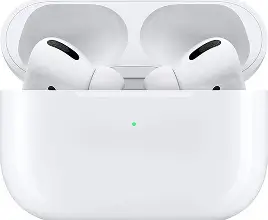
To begin the setup of the Air Pro 2 True Wireless 2021, the first step is ensuring the charging case and the earbuds themselves have sufficient power. It is a common mistake to attempt pairing straight out of the box with "factory charge," which is often depleted or unstable. Connecting the case to a USB-C power source for at least thirty minutes ensures that firmware updates—which often trigger during the first pairing—do not fail due to power loss. Once charged, the pairing process is initiated by opening the lid. For users within a specific brand ecosystem, a pop-up animation typically appears, but for cross-platform users, the manual Bluetooth pairing mode is activated by holding the dedicated button on the back or bottom of the case until the LED indicator pulses white.
Fitment is arguably the most overlooked aspect of the setup. The Air Pro 2 comes with three or four sizes of silicone ear tips, and it is imperative to test each one. A proper seal is the foundation of both bass response and noise cancellation effectiveness. If the seal is loose, low-frequency sound waves escape, leaving the music sounding thin and tinny. Conversely, if the tip is too large, it may cause ear canal fatigue within twenty minutes. Many users find success with an "asymmetrical" setup, using a medium tip in one ear and a large tip in the other, as human ear canals are rarely identical in shape. Running a software-based "Ear Tip Fit Test" through the companion app provides a scientific way to verify that the acoustic seal is optimal.
Customizing the Touch Controls
The 2021 model utilizes capacitive touch sensors located on the stems or the outer face of the earbuds. Out of the box, these are usually mapped to generic functions: single tap for play/pause, double tap for next track, and a long press to toggle between ANC and Transparency modes. However, the true utility lies in remapping these controls to fit individual habits. For instance, a frequent commuter might prefer to map volume control to the left earbud while keeping voice assistant triggers on the right. Modern firmware allow for "Triple Tap" configurations, which can be used to trigger specific playlists or check battery status. It is advisable to settle on a control scheme early and stick to it to develop the muscle memory required for seamless operation while moving.
Shop the latest Audio & Headphones picks on Amazon.
See Deals →Pros and Cons of the Air Pro 2 (2021 Edition)
- Exceptional Hybrid ANC: The combination of feedforward and feedback microphones effectively cancels out up to 40dB of ambient noise, making it one of the strongest performers in its price bracket for that year.
- Transparency Mode Fidelity: One of the standout features is the natural sound of the transparency mode, which avoids the "processed" or "robotic" hiss found in cheaper alternatives.
- Broad Compatibility: Supports multiple codecs, including AAC and SBC, ensuring high-quality streaming across both Android and iOS devices without significant latency.
- Robust Battery Life: Provides roughly 7 hours of playback on a single charge with ANC off, and a total of nearly 30 hours when including the juice provided by the charging case.
- Spatial Audio Integration: For users with compatible source material, the device supports virtualization of surround sound, creating a more immersive experience for movies and gaming.
- Case Size: While the earbuds are sleek, the charging case is slightly bulkier than some competitors, making it a bit more noticeable in tighter pockets.
- Glossy Finish: The high-gloss plastic used on some variants is prone to micro-scratches and fingerprint smudges, requiring regular cleaning to maintain its aesthetic.
- No Multipoint Pairing: The 2021 model lacks the ability to stay connected to two devices simultaneously, requiring manual switching when moving from a laptop to a phone.
- Touch Sensitivity: In cold weather or when wearing gloves, the capacitive sensors can sometimes be less responsive, requiring intentional, firm contact.
Comparison with Industry Peers
To understand where the Air Pro 2 True Wireless 2021 sits in the market, it is helpful to compare it against other leading models from the same era. While some competitors focused purely on sound signatures, the Air Pro 2 targeted the "all-rounder" segment.
| Feature | Air Pro 2 (2021) | Competitor A (Premium) | Competitor B (Budget) |
|---|---|---|---|
| ANC Depth | 40 dB (Hybrid) | 42 dB (Adaptive) | 30 dB (Standard) |
| Water Resistance | IPX5 | IPX4 | IPX2 |
| Charging | USB-C & Wireless | USB-C & Wireless | USB-C Only |
| Microphones | 6 Microphone Array | 4 Microphone Array | 2 Microphone Array |
| Bluetooth Version | 5.2 | 5.2 | 5.0 |
Comprehensive Buying Guide: Who is this for?
When considering a purchase of the Air Pro 2 True Wireless 2021, buyers typically fall into three categories. Identifying which group a user belongs to helps determine if the setup and features of this device will meet their long-term needs. First are the Daily Commuters. These users care most about the stability of the wireless connection and the strength of the noise cancellation. Because the 2021 model utilizes Bluetooth 5.2, it offers enhanced signal stability in high-traffic areas like train stations where interference often causes audio dropouts. The ANC is tuned specifically to handle the low-frequency rumbles of transit, making it a "must-have" for this demographic.
The second category includes Remote Professionals. If a user spends several hours a day on Zoom, Teams, or cellular calls, the mic quality is paramount. The Air Pro 2 excels here because of its internal voice pickup unit that detects vibrations in the jawbone to better distinguish speech from background noise. During the setup process, these users should ensure that "Sidetone" or "Transparency during calls" is enabled in the app settings; this allows the user to hear their own voice while talking, preventing the tendency to shout when blocked by noise-canceling tips.
Finally, there are the Fitness Enthusiasts. While there are dedicated sport-buds with ear hooks, the Air Pro 2 offers a more discreet profile that remains secure due to the ergonomic nozzle design. The IPX5 rating means it can handle heavy sweat during a marathon or a sudden downpour during an outdoor run. For these buyers, checking the "Find My Buds" feature during the initial setup is a priority, as it provides a safety net should an earbud fall out in a public space. Note that while it is water-resistant, it is not waterproof; it should never be submerged in a pool or worn while swimming.
Maintenance and Longevity Tips
To ensure the Air Pro 2 continues to perform like it did on day one, a small amount of regular maintenance is required. Earwax buildup is the primary cause of reduced volume in one earbud. Using a soft, dry brush to clear the mesh grilles once a week prevents this. Additionally, the charging contacts on the stems and inside the case can accumulate oils from the skin, which may eventually prevent the buds from charging. Wiping these contacts with a microfiber cloth—and occasionally a tiny amount of isopropyl alcohol—ensures a reliable connection. For battery health, it is recommended to avoid leaving the case at 0% for extended periods; lithium-ion batteries prefer to stay between 20% and 80% charge for maximum lifespan.
Find top-rated Audio & Headphones products at great prices.
View Offers →Advanced Troubleshooting and FAQ
Even with a perfect setup, users may occasionally encounter technical glitches. One common issue is "Asymmetric Battery Drain," where one earbud loses power significantly faster than the other. This is often not a hardware defect but a result of one earbud acting as the "Master" and the other as the "Slave" in the Bluetooth chain. Switching which earbud is taken out of the case first can sometimes mitigate this over time. Another frequent concern relates to "Wind Noise." While the ANC is powerful, the external microphones can sometimes struggle with direct wind hitting the sensors. Switching to "Normal Mode" (ANC Off) during particularly windy days can actually result in a clearer listening experience.
If the earbuds become unresponsive or fail to sync with each other, a "Hard Reset" is the go-to solution. This is performed by placing both buds in the case and holding the pairing button for 15 seconds until the LED flashes a specific color (red or orange, depending on the firmware version). This clears the pairing memory and restores factory settings, allowing for a fresh start. Regularly checking for firmware updates via the official smartphone application is also crucial, as manufacturers often release patches that improve ANC algorithms, fix connectivity bugs, and even add new features like custom EQ presets months after the initial release.
Conclusion: The Value of a Proper Foundation
The Air Pro 2 True Wireless 2021 remains a formidable entry in the consumer audio space because it handles the fundamentals with grace while providing enough advanced features to satisfy more demanding users. By taking the time to properly charge the device, select the correct ear tips, and customize the touch sensors, a user transforms a piece of hardware into a personalized audio tool. Whether used for deep focus in a noisy office, immersion in a favorite podcast during a walk, or maintaining clarity during an important business call, the quality of the experience is directly tied to the quality of the initial setup. Investing twenty minutes in the beginning to explore the app and the physical fit ensures hundreds of hours of reliable, high-quality performance in the future. As true wireless technology continues to evolve, the principles of good fit and thoughtful configuration remain the constants that define a premium listening experience.