Nutribullet Triple Prep System First Look: Unboxing and Impressions
Introduction
In the crowded small-appliance market, multi-function kitchen systems aim to replace several countertop tools with a single, compact unit. The Nutribullet Triple Prep System positions itself as a versatile solution for consumers who want blending, chopping, and prep-slicing capability without the footprint of a full-size blender. This first-look review focuses on unboxing, build and component quality, hands-on performance across real-world use cases, and practical buying advice for readers in the Electronics category who are evaluating countertop food-preparation gear.
Unboxing and First Impressions
What's in the Box
Out of the packaging, the Triple Prep System typically includes the motor base, at least two interchangeable processing bowls/containers, a blending cup or pitcher, a set of blade attachments (for blending and chopping), a slicing/shredding disc or feed chute attachment for prep work, and a collection of lids and seals. The unit is designed for quick assembly: parts click or twist into place and appear clearly labeled for orientation. Included user documentation and safety notes cover recommended uses and dishwasher-safe parts.
Packaging and Presentation
The packaging is compact and protective, with molded inserts that keep heavier components secure. For buyers who care about first impressions, the box emphasizes the three core functions and shows straightforward diagrams rather than marketing hyperbole. The included manual is concise — enough to get started without reading every page, though the safety section bears attention for households with children.
Build Quality and Materials
Initial handling reveals a mix of metal and high-grade plastics. The motor base typically has a matte finish with rubberized feet to minimize movement during operation. Processing bowls are made from BPA-free plastic with clear volume markings. Blade hubs and discs are stainless steel; these parts feel sturdy and machined rather than stamped. Overall, the Triple Prep System is assembled with an eye toward everyday kitchen use rather than industrial durability.
Setup and Ease of Use
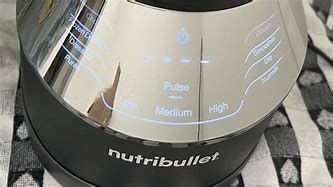
Assembly is intuitive: blades slip into bowls and twist-lock into the base. For first-time setup, the most time-consuming tasks are washing the bowls and blades and reading the quick-start safety warnings. The control interface is usually a single push-button or a two-speed dial with a pulse option — a design choice that caters to simplicity over granular speed control. This makes the system approachable for users who want one-button solutions for morning smoothies or quick chopping tasks.
Performance: Real-World Use Cases
Hands-on performance is best judged across common household scenarios: morning smoothies, meal-prep chopping, salsa or pesto making, and prep tasks like slicing vegetables. The Triple Prep System aims to be a do-it-all appliance, so this section looks at how it performs in each context.
Smoothies and Purees
For typical smoothie recipes (soft fruits, leafy greens, yogurt, liquid), the blending attachment delivers a smooth, drinkable texture with few large bits. It handles frozen banana and soft-ice blends well when adequate liquid is used and the operator employs short pulses followed by continuous blending. For users who regularly crush hard ice or large frozen blocks, a full-size blender with higher RPM and heavier blades will provide creamier results; the Triple Prep is optimized for everyday smoothie tasks rather than heavy-duty ice-crushing.
Chopping and Meal Prep
Chopping performance for vegetables, nuts, and cooked proteins is consistently useful for meal prep. The chopping container produces evenly sized pieces for onion, bell pepper, carrots, and nuts when pulsed short and inspected between pulses. For very fine mincing (e.g., garlic and herbs) the system shines when the operator uses a steady chop-pulse rhythm. It reduces prep time for weekday dinners and works well for single- to medium-size batches, but users preparing for large gatherings may need multiple cycles or a larger-capacity processor.
Slicing and Shredding
If the Triple Prep System includes a slicing/shredding disc, it provides convenient, uniform slices for potatoes, cucumbers, and cheese. The feed chute and pusher streamline the process and reduce hands-on time. However, slices are size-limited by the disc selection; very thin or ultra-thick cuts may not be available without swapping discs. For home cooks who often prepare salads, gratins, or graters of cheese, the disc function speeds up tasks that would otherwise require handheld tools.
Discover deals on Electronics — updated daily.
See Deals →Sauces, Dips, and Nut Butters
Making hummus, pesto, or salsa is straightforward — the blade geometry produces a cohesive, textured result. Nut butters require more time and patience: the processor can work nuts into a paste with repeated cycles, but thermal buildup and the container size may make continuous long runs less efficient than a heavyweight blender or a dedicated nut grinder.
Cleaning and Daily Maintenance
Part cleaning is quick: bowls, lids, and blades rinse clean and many components are dishwasher-safe on the top rack. Blades require careful handling; the system's quick-release design helps remove blades without scraping fingers against edges. The base is wiped down with a damp cloth — avoid immersing the motor housing. Buyers who prioritize speed cleaning between meal prep sessions will find this system practical and low-maintenance.
Detailed Analysis
Motor and Control
The motor base is compact but engineered for short bursts of high torque. It performs admirably for intermittent tasks such as pulsing and small blend jobs. A single-speed plus pulse interface keeps operation simple but limits fine control for very delicate tasks like emulsifying mayonnaise. For the majority of users, however, the available control modes map well to everyday cooking rhythms.
Attachments and Modularity
Attachments are the selling point. Interchangeable containers and blades enable the unit to handle multiple tasks without requiring different appliances. The modular design also makes storage easier: parts nest inside each other or stack in a pantry. Buyers should consider how many accessories are included versus sold separately: additional discs, extra bowls, or specialty blades can expand functionality but add to cost and storage needs.
Footprint and Storage
The Triple Prep System balances capacity and compactness. The base is smaller than full-size blenders, and many bowls are designed for vertical stacking. For small kitchens or those with limited counter space, this is a major advantage. However, the cumulative storage space required for multiple discs and bowls is an important consideration for minimalists.
Noise and Vibration
Noise levels are reasonable for a compact processor, though louder than an immersion blender under heavy load. Rubber feet help keep the base stable, and short pulse bursts reduce sustained vibration. Noise-sensitive buyers should expect conversations in a nearby room to continue unaffected for light blending but may want to run heavier tasks when noise is less disruptive.
Pros & Cons
- Pros
- Versatile: combines blending, chopping, and slicing/shredding in one compact system.
- Space-efficient: smaller footprint than a full-size blender with stackable parts for storage.
- Easy to use: simple controls with intuitive assembly and quick-change attachments.
- Good for everyday tasks: smoothies, dips, prep chopping, and light shredding.
- Relatively easy to clean: many parts are dishwasher-safe and blades detach for washing.
- Cons
- Not optimized for heavy ice-crushing or very large batches — full-size blenders still best for that.
- Limited speed control: fewer fine-grain settings for delicate emulsions or very smooth purees.
- Additional attachments may be required to unlock full functionality, increasing total cost and storage needs.
- Thermal limits on long continuous runs — less suited for large-volume nut butters or heavy dough mixing.
Comparison Table
The following table compares the Triple Prep System to a compact Nutribullet-style personal blender and a full-size countertop blender along practical dimensions buyers typically care about.
| Feature | Nutribullet Triple Prep System | Personal Bullet-Style Blender | Full-Size Countertop Blender |
|---|---|---|---|
| Primary Function | Blend, chop, slice/shred (multi-task) | Single-serve blending (smoothies) | High-capacity blending, crushing, pureeing |
| Footprint | Compact; multiple parts to store | Very compact; minimal parts | Larger; requires dedicated counter or cabinet space |
| Batch Size | Small to medium batches | Single-serve | Large batches |
| Versatility | High (multiple attachments) | Low (primarily blending) | Medium to high (varies by model & attachments) |
| Ease of Cleaning | Moderate — removable parts, dishwasher-safe | Easy — few parts | Moderate to difficult — larger pitcher, heavier blades |
| Noise | Moderate | Moderate | Moderate to high |
| Ideal For | Everyday meal prep, families with varied needs | Individuals making quick smoothies | Serious blending tasks, large families, heavy-duty use |
Buying Guide: What Buyers Typically Care About
Prospective buyers weigh several practical factors beyond marketing claims. This buying guide highlights the most common considerations and how the Triple Prep System measures up.
1. Intended Use
Buyers should clarify daily tasks: single-serve smoothies, family meal prep, or heavy-duty blending. The Triple Prep is strongest for multi-role household use—someone who wants one appliance for smoothies, chopping vegetables, and slicing. It is less suitable as a replacement for a heavy-duty blender used for large batches or commercial tasks.
Looking for the best Electronics deals on Amazon?
View Offers →2. Counter and Storage Space
Measure available storage. The Triple Prep saves counter space relative to full-size blenders, but its multiple attachments require cabinet room. If minimal storage is a priority, evaluate how parts nest and whether all attachments are essential.
3. Ease of Cleaning
Look for dishwasher-safe labels and user-friendly assembly. Blades should detach easily and the motor base should be wipeable. For daily use, quick cleanup encourages consistent appliance use — a major practical point for busy households.
4. Durability and Warranty
Check materials (stainless steel blades, thick-walled plastic bowls) and warranty coverage. Many buyers care about how long the motor is expected to last under regular usage. A clear, reasonable warranty and accessible customer service are valuable for peace of mind.
5. Noise Considerations
If the kitchen is adjacent to living or sleeping areas, noise becomes a real factor. The Triple Prep is quieter than some high-RPM blenders under light loads but still audible. Choose operating times or locations accordingly.
6. Accessory Ecosystem
Assess whether extra discs, bowls, or lids are available and at what cost. If the buyer anticipates expanding functionality (e.g., different slicing thicknesses or additional bowl sizes), factor in the availability and expense of accessories.
7. Budget and Value
Consider the overall value proposition: the cost of the unit versus the combined cost of separate appliances (personal blender, food processor, mandoline). For many kitchens, a single multi-function system offers better cost-per-task than buying several dedicated devices.
Practical Tips for New Owners
- Start with small batches: When testing new recipes, begin with smaller quantities and use short pulses to find the right texture.
- Layer ingredients: Add liquids first, then soft items, then frozen or harder items to promote proper circulation and reduce stress on the motor.
- Allow cool-downs: For intensive nut-butters or long runs, give the motor brief pauses to avoid thermal cut-off and extend motor life.
- Secure lids and bowls: Always ensure bowls and blades are correctly seated before turning on the unit for safety and optimal performance.
- Store blades separately or covered: To protect blade edges and fingers, keep sharp components in their protective covers or a designated drawer.
Conclusion
The Nutribullet Triple Prep System makes a persuasive case for households seeking a compact, multi-functional kitchen appliance. Its strengths lie in versatility, simplicity, and efficient use of kitchen space—qualities that suit everyday meal prep, smoothie-making, and light slicing/shredding. It is not a full replacement for heavy-duty blenders when large batches or relentless ice-crushing are required, but for many buyers the trade-offs are reasonable given the convenience and modularity on offer. For consumers who value an all-in-one approach and cleaner counters, this system is worth considering as a practical addition to the home kitchen.